
Center for Effective Lawmaking

Meet our Faculty Affiliate: Jacob Lollis

Meet our Faculty Affiliate: Jacob Lollis The Center for Effective Lawmaking (CEL) is pleased to announce Jacob Lollis as one of our newest faculty affiliates. Jacob Lollis is an Assistant Professor of Political Science in the School of Public and International Affairs at the University of Cincinnati, where he studies American political institutions, with a focus on representation, legislative behavior, and effective lawmaking. His current research examines the consequences of descriptive representation, the dynamics of bipartisanship, and the conditions that facilitate effective lawmaking in the U.S. Congress. Dr. Lollis earned his…

0 Comments

Meet our Faculty Affiliate: Mackenzie Dobson

Meet our Faculty Affiliate: Mackenzie Dobson The Center for Effective Lawmaking (CEL) is pleased to announce Mackenzie Dobson as one of our newest faculty affiliates, having recently been one of our graduate research affiliates. Mackenzie R. Dobson is an Assistant Professor of Political Science at the University of Tennessee, Knoxville. Her research centers on bipartisan collaboration, effective lawmaking, and political representation in American legislatures. She studies how legislators build relationships across party lines, how those relationships shape policymaking and legislative success across policy areas, and how reform efforts, including those aimed…

0 Comments

Colleagues and Neighbors? Geographic Patterns of Collaboration and Legislative Effectiveness

Colleagues and Neighbors? Geographic Patterns of Collaboration and Legislative Effectiveness Tuesday, August 11, 2026Geography plays a role in shaping American legislatures, but while there is often a focus on the importance of constituency representation, its role as a source of division does not always receive as much attention. Legislative politics scholarship increasingly recognizes the importance of social relationships and networks in shaping outcomes, and within this literature, one important observation is that collaboration across difference can be especially impactful. In state legislatures, within-state regional divisions are often common knowledge but…

0 Comments
Policy Agendas, Effective Lawmaking, and Women’s Issues in State Legislatures
Screenshot

Policy Agendas, Effective Lawmaking, and Women’s Issues in State Legislatures

Policy Agendas, Effective Lawmaking, and Women’s Issues in State Legislatures Tuesday, August 4, 2026 State legislatures introduce roughly 100,000 bills a year, far outpacing Congress, yet scholars have long lacked a reliable way to sort that volume into policy areas, making it hard to ask basic questions about which issues get attention, which stall, and who succeeds where. In this Center for Effective Lawmaking (CEL) working paper, the authors take on that challenge directly. It was written by Andrew M.O. Ballard, Associate Professor at Florida State University (and CEL Faculty…

0 Comments
The CEL’s 2026 Award for Best Publication on Effective Lawmaking
Screenshot

The CEL’s 2026 Award for Best Publication on Effective Lawmaking

The CEL's 2026 Award for Best Publication on Effective Lawmaking Wednesday, July 1, 2026The Center for Effective Lawmaking (CEL) is pleased to announce the recipient of the 2026 Award for the Best Publication on Effective Lawmaking. The recipients of this year’s award are Charles R. Hunt (Boise State University) and Kristina C. Miler (University of Maryland and CEL Faculty Affiliate) for their article in the Journal of Politics, “How Modern Lawmakers Advertise Their Legislative Effectiveness to Constituents.”In the paper, the authors explain how in a complex information environment, members of…

Comments Off on The CEL’s 2026 Award for Best Publication on Effective Lawmaking
Advancing the Study of Effective Lawmaking: Highlights from CEL’s 8th Annual Research Conference
Screenshot

Advancing the Study of Effective Lawmaking: Highlights from CEL’s 8th Annual Research Conference

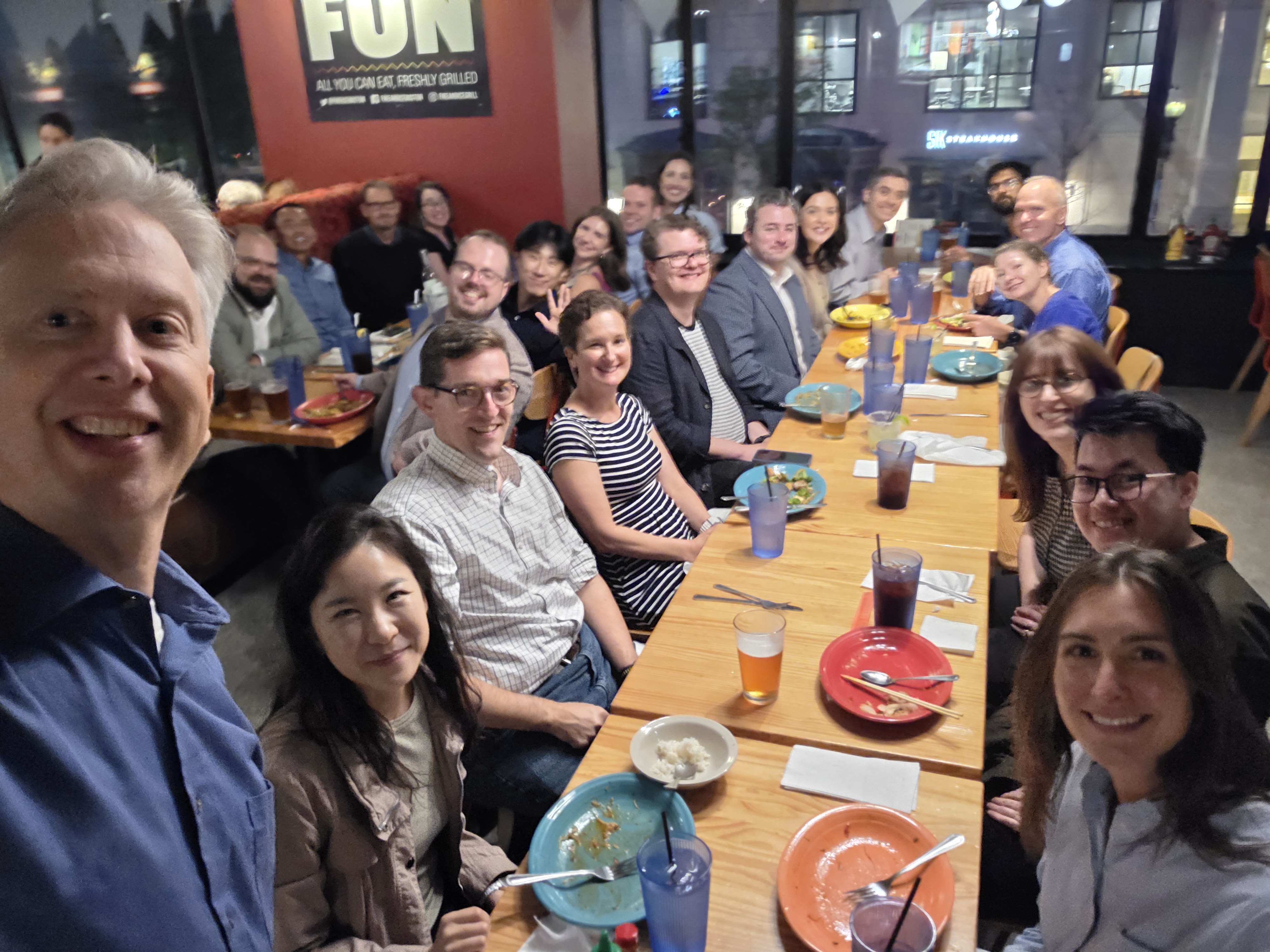
Group photo outside the UVA Colonnade Club (Photo by John Robinson, Batten School). Advancing the Study of Effective Lawmaking: Highlights from CEL’s 8th Annual Research Conference Tuesday, June 30, 2026Charlottesville, VA – On Monday, June 22nd, 2026, the Center for Effective Lawmaking (CEL) hosted its 8th annual research conference at the University of Virginia (UVA). The conference brought together researchers and practitioners from around the country to share their latest research findings and to discuss trends in effective lawmaking in the U.S. Congress and state legislatures. The morning opened with remarks…

Comments Off on Advancing the Study of Effective Lawmaking: Highlights from CEL’s 8th Annual Research Conference

Congressional Bipartisanship Scores by Member and Issue Area, 1983–2024

Congressional Bipartisanship Scores by Member and Issue Area, 1983–2024 Monday, June 15, 2026 Although bipartisanship has often been considered a cornerstone of effective lawmaking, researchers have struggled to measure it consistently across time and issue areas, making it difficult to build off of each other's work and have constructive conversations about the topic. In this Center for Effective Lawmaking (CEL) working paper, Mackenzie Dobson, Assistant Professor at the University of Tennessee (and CEL Graduate Affiliate), and Jacob Lollis, Assistant Professor at the University of Cincinnati, take a step toward solving…

Comments Off on Congressional Bipartisanship Scores by Member and Issue Area, 1983–2024

Cover Bills

Cover Bills Tuesday, April 21, 2026Legislators sometimes vote on bills that fail but, in the process, allow lawmakers to take an extreme position before ultimately voting to compromise. These proposals are commonly known as cover bills. Through two survey experiments featured in a newly published paper in Legislative Studies Quarterly, Assistant Professor and Center for Effective Lawmaking (CEL) Faculty Affiliate Christian Fong and PhD candidate Nicolas Florez (both of the University of Michigan) show that primary voters are more supportive of a compromiser if that legislator first votes for a cover…

Comments Off on Cover Bills

When Process Becomes Power: Rules, Parties, and Legislative Effectiveness

When Process Becomes Power: Rules, Parties, and Legislative Effectiveness While majority party success is often shaped by numerical advantages and cohesion, there is academic discussion on the additional causal factors behind it. In this Center for Effective Lawmaking (CEL) working paper, Nicholas Howard, Assistant Professor at Concordia College, and Tessa Provins, Assistant Professor at the University of Arizona and CEL Faculty Affiliate, examine how chamber rules structure the legislative environment for both parties at each stage of the legislative process. This study argues that chamber rules do more than simply…

Comments Off on When Process Becomes Power: Rules, Parties, and Legislative Effectiveness

Meet our Program Specialist for State Legislatures: Caroline Clements

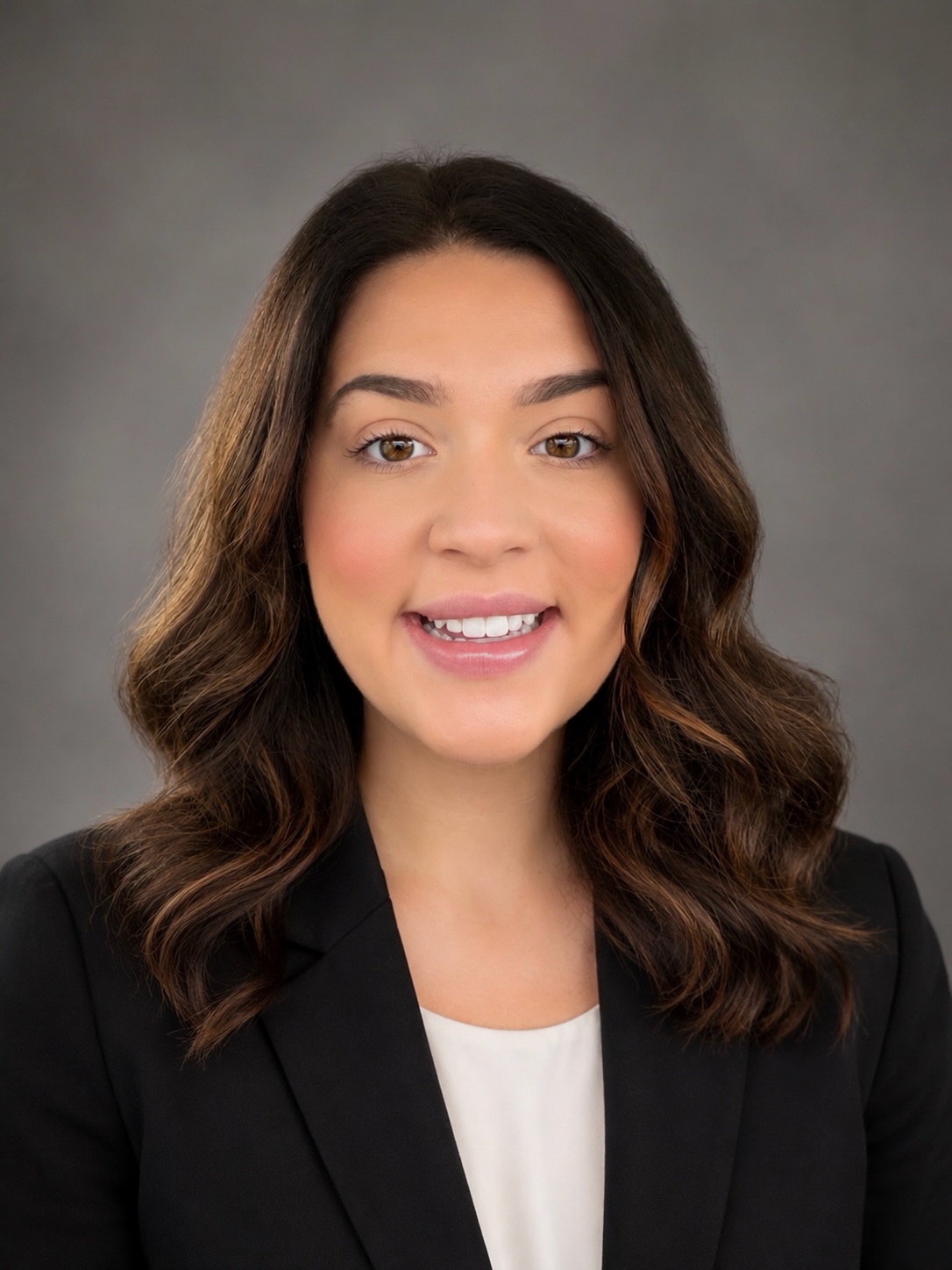
Meet our Program Specialist for State Legislatures: Caroline Clements The Center for Effective Lawmaking (CEL) is pleased to introduce Caroline Clements as our new Program Specialist for State Legislatures. In this role, she will work to discover ways to promote good governance at the state level. Prior to joining the CEL, Caroline worked at a boutique public affairs and communications firm in Nashville. In 2023, Caroline graduated magna cum laude from Swanee: The University of the South, where she studied political science with a focus on law, justice, and national…

Comments Off on Meet our Program Specialist for State Legislatures: Caroline Clements

End of content

No more pages to load

Close Menu
Verified by MonsterInsights