
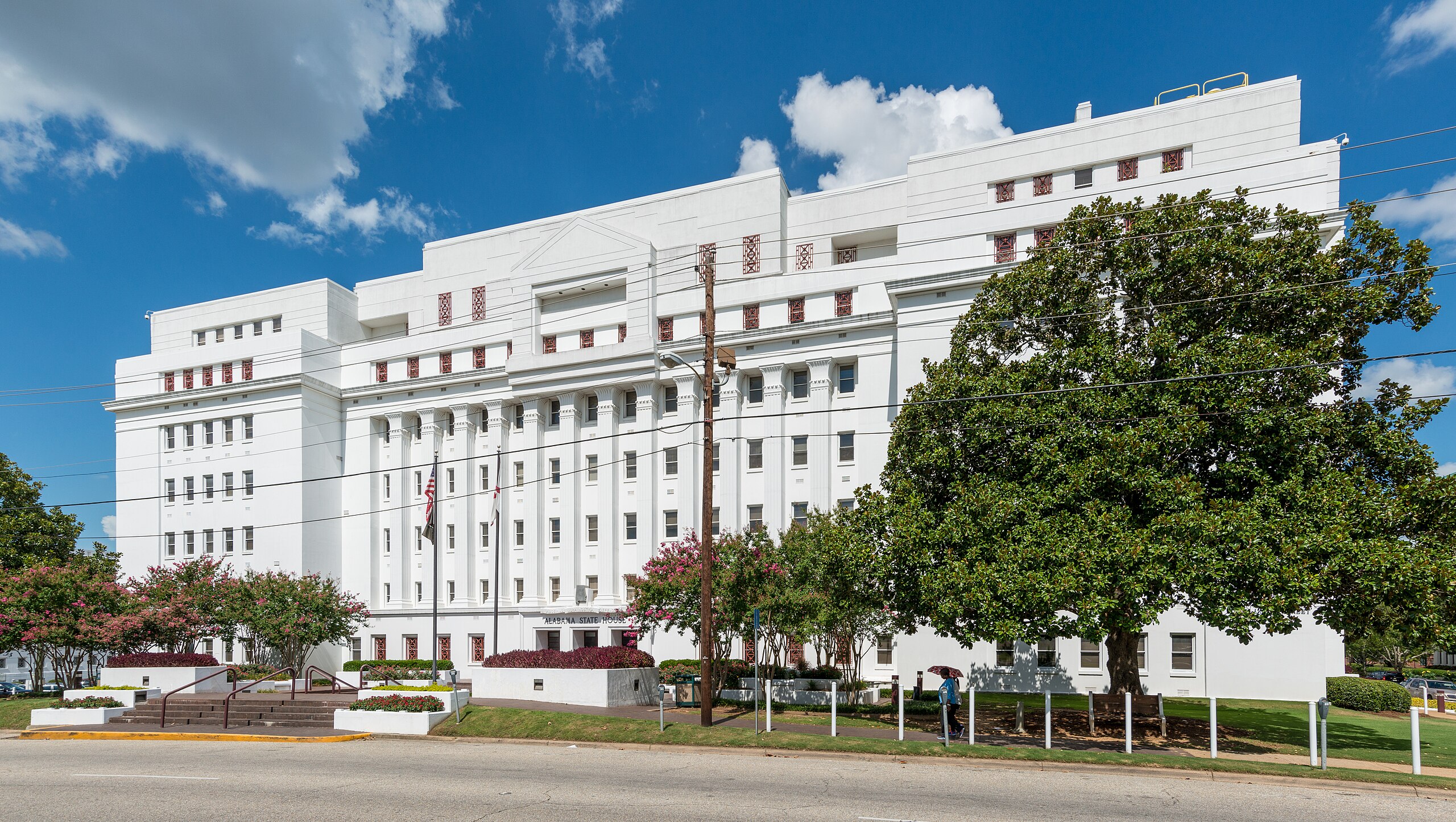
Announcing the Release of the 2019-2022 Maryland and Alabama State Legislatures State Legislative Effectiveness Scores (SLES)
The Center for Effective Lawmaking (CEL) is proud to announce the release of our State Legislative Effectiveness Scores (SLES) for the 2019-2022 Maryland and Alabama legislative sessions. This initiative is part of our broader effort to measure the lawmaking effectiveness of individual legislators in all 99 state legislative chambers in the United States.
These scores capture lawmaking effectiveness by tracking the number of bills legislators sponsor, how far those bills advance through the legislative process, and the substantive significance of the proposals.
Alabama and Maryland mark the latest addition to our public data release, following earlier reports on Montana, Georgia, and several other states. We will continue to expand our data availability and analyses to all fifty states in the coming months.
Highlights from the 2019-2022 Maryland and Alabama legislative sessions:
- Top Performers: We identify the most effective lawmakers from each party in both the Maryland and Alabama lower and upper chambers, including legislators who have consistently ranked highly across multiple legislative sessions.
- Above Expectations: We highlight members who earned our prestigious Above Expectations designation for lawmaking effectiveness, including both seasoned legislators with sustained records and first-term lawmakers who quickly distinguished themselves among their peers.
- Majority Party Advantage: Consistent with CEL research, majority-party legislators were generally more effective lawmakers, reflecting structural advantages such as agenda-setting power and committee leadership.
- Maryland Insights (2019-2022): In terms of broader patterns, our data shows the Maryland General Assembly to be more egalitarian in lawmaking than is found in most other states. Moreover, lawmaking in Maryland is also not strongly based on seniority. Indeed, the average first-term Senator scored higher than more senior members did, with more than 25 of their bills each becoming law on average.
You can explore the full report and detailed findings below: